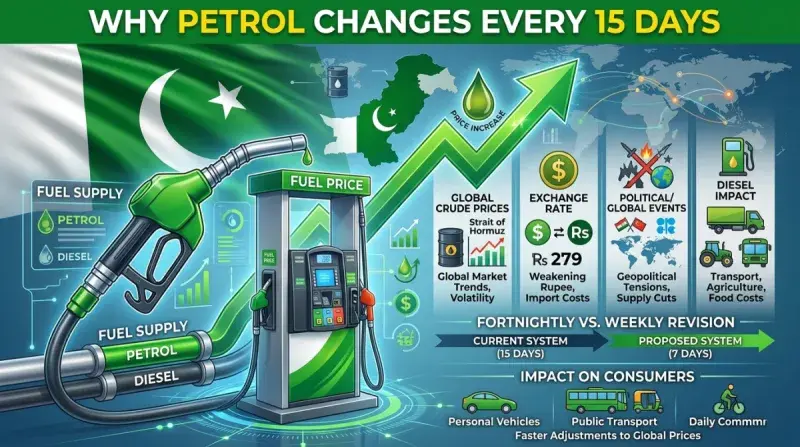
Petrol and diesel prices in Pakistan have long followed a fortnightly revision cycle; updated every 15 days based on global market trends. However, the government of Pakistan, in collaboration with OGRA (Oil and Gas Regulatory Authority), has now approved a weekly price revision mechanism, meaning fuel prices could soon shift every seven days. For many Pakistanis, tracking petrol prices may start to feel a lot like watching the phases of the moon.
Why Does the Government Want Weekly Monitoring?
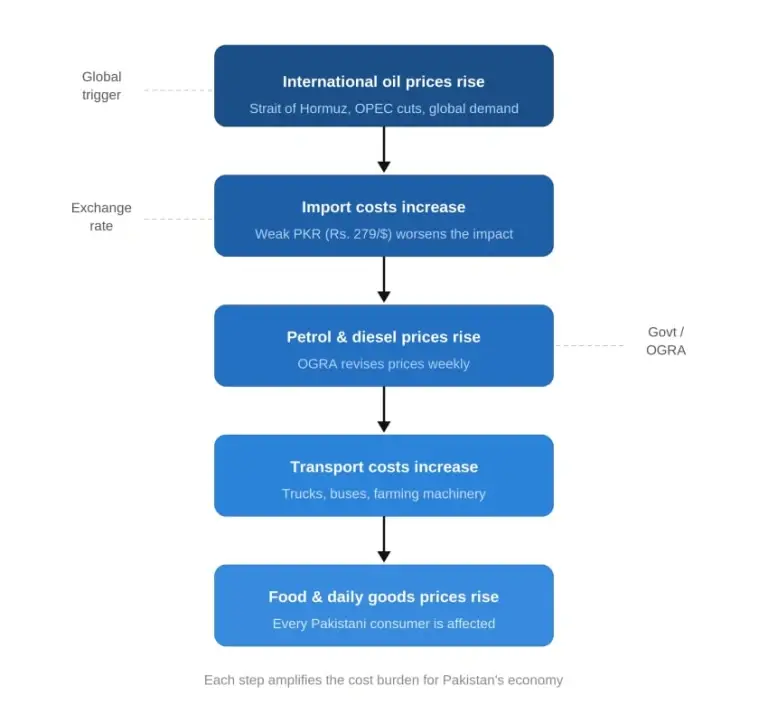
Pakistan is a developing economy that depends heavily on imports for its energy needs, including petrol and diesel. Because global oil prices are constantly moving, a weekly revision allows the government to stay more closely aligned with international market realities, both when prices rise and when they fall.
Key Factors Behind Fuel Price Fluctuations
1. Global Oil Prices
The Strait of Hormuz, a critical checkpoint through which a large portion of the world's oil supply passes, has a direct impact on Pakistan's fuel costs. Any disruption in this region; whether logistical or geopolitical ripples through import prices almost immediately.
2. The US Dollar Exchange Rate
Oil is traded globally in US dollars. With the Pakistani Rupee currently sitting at approximately Rs. 279 per dollar, every time the PKR weakens against the dollar, the cost of importing fuel rises and that increase is passed on to consumers nationwide.
3. Political and Global Events
Wars, supply shortages, OPEC production cuts, and tensions in oil-producing regions can cause sudden and sharp increases in global crude prices. Pakistan, as a net importer, has little buffer against these shocks.